
Taking Control: A positive approach to PCOS
Taking Control: A positive approach to PCOS
What is PCOS/PMOS?
PCOS/PMOS is a condition characterised by hormonal imbalances in women—specifically an excess of male hormones (androgens) produced by the ovaries. It affects around 10–13% of women of reproductive age, yet it remains one of the most complex and heterogeneous conditions in clinical practice.
“While the term polycystic ovary means “to have multiple cysts in the ovaries,” did you know the development of cysts is not actually required for a diagnosis? As of May 2026, an international consensus published in The Lancet renamed Polycystic Ovary Syndrome (PCOS) to Polyendocrine Metabolic Ovarian Syndrome (PMOS). This change reflects the hormonal, metabolic, and systemic nature of the condition—a multisystem view that has long been central to integrative and naturopathic clinical care”
So – PMOS is an endocrine and metabolic disorder which has many symptoms. Natural Womanhood offers an interesting article but here are some PMOS symptoms:
anxiety and mood swings severe cramps long or irregular cycles heavy bleeding during menstruation cystic acne chronic fatigue chronic inflammation cardiovascular issues poor body image or eating disorders hair loss or growth high levels of androgens (“male” hormones) male-pattern hair growth (hirsutism) increased body hair thyroid disorders chronic fatigue sleep apnoea uncontrollable weight gain insulin resistance Type 2 diabetes
PCOS/PMOS Diagnosis and Functional Testing
Western medicine requires two of the following three criteria to clinically diagnose PCOS/PMOS:
Irregular Ovulation: Infrequent, long, or absent periods.
High androgens: Elevated “male” hormones leading to symptoms like acne or excess hair growth.
Polycystic ovaries: Cysts on one or both ovaries identified via ultrasound.
Ideally you will receive a pelvic examination and a pelvic ultrasound in addition to hormone tests to determine the type and treatment of your cyst(s) but many of my clients come away from their diagnosis still unsure as to whether they have ovarian cyst(s) or simply PCOS/PMOS.
In my nutrition practice I use functional testing to determine whether these hormonal imbalances stem from genetics, lifestyle, or current hormonal imbalances. I not only consider the Western medicine diagnosis but utilise various tests including:
DUTCH tests (Dried Urine Test for Comprehensive Hormones)
A selection of hormone profiles
Nutrigenomic testing for methylation and oestrogen pathways
Book an online Hormone MOT & Lifestyle Consultation
What’s the difference between PCOS/PMOS vs. PCO?
Let’s be clear; the syndrome is different
“Ovarian cysts are fluid-filled sacs that develop on or within an ovary as part of your regular ovarian cycle before it releases an egg. Generally, the follicle transforms into the corpus luteum after ovulation which then triggers the production of progesterone. However, occasionally the follicle closes and traps fluid in it which forms a corpus luteum cyst. These often resolve on their own but can cause pelvic pain, bloating or eventually rupture. Something nobody wants. So if you experience sudden, severe abdominal pain accompanied by nausea, vomiting, or fever, please seek medical attention immediately.”
How does naturopathic nutrition help PCOS/PMOS?
 There are so many considerations and benefits to nutritional therapy – everyone is different and I work with personalised nutrition but here are a few nutrients and herbs that may support your PCOS/PMOS! Also don’t forget that you can also support yourself with seasonal cleanses; monthly castor oil packs and body treatments such as reflexology which all support PCOS/PMOS too.
Inositol is a type of carbohydrate that is found in a wide range of food sources such as fruits, beans, grains and nuts, and also occurs naturally in the human body.
Myo-inositol (MI) and D-chiro-inositol (DCI) are the two main types of inositols that have been studied for their benefits on women with PCOS/PMOS including :
- Improve blood glucose (sugar) control
- Reduce insulin resistance
- Reduce androgens (male hormones)
- Helps regulate menstrual cycles
- Improve fertility
- Support weight loss
- Improve blood lipid (fat) profiles
Supplementing with 2-4 grams of myo-inositol per day appears to be a promising way to help many symptoms associated with PCOS.
 Essential fatty acids – Eating essential fatty acids (EFA’s) helps you to lose weight and produce balanced hormones. This includes fish oils high in DHA and Evening Primrose Oil or Flaxseed oil or Blackcurrant oil which are all high in GLA. Seed cycling helps support hormone production for each part of the menstrual cycle, and can be done by alternating fish oil with ground 1-2 tablespoons (TBSP) of pumpkin/chia/flaxseeds in the first half of your cycle (menses) to evening primrose oil with 1-2 TBSP ground sesame/sunflower seeds during the second half (post ovulation). If you do not cycle regularly then use the moon to seed cycle – starting at the New Moon and switching at the full moon.
Chromium – trace mineral enhances the action of insulin. Some studies have shown supplementing with chromium may improve blood sugar control. Foods that are high in chromium are onions, tomatoes, oysters, whole grains, bran cereals. Most foods contain little chromium, so supplementation may be need to be considered.
Cinnamon – Add 1.5 to 4 grams per day (approximately half to 1 teaspoon to your porridge or yoghurt or protein pancakes in the morning) or drink as a herbal tea. Cinnamon extract helps improve insulin sensitivity which helps lower fasting blood sugar, insulin levels, and HOMA-IR scores.
Regulate your menstrual cycle: Research published in the American Journal of Obstetrics & Gynecology shows cinnamon significantly improves menstrual cyclicity and supports ovulation.
Balance hormones: Cinnamon helps reduce excessive testosterone production and lowers anti-Mullerian hormone (AMH) levels.
Optimize lipid profiles helping lower total cholesterol and LDL (“bad”) cholesterol while raising HDL (“good”) cholesterol.
Provide antioxidants helping reduce oxidative stress and inflammation and protect ovarian function.
plays a role in glucose metabolism. Current studies indicate 67-85% of women with PCOS are Vitamin D deficient. A small study of 13 women with PCOS showed that 7 out of the 9 who had absent or irregular menstrual cycles had a return of normal menstrual cycles within two months of being given 50,000 IU once or twice per week of vitamin D. Good food sources of vitamin D are cod liver oil, eggs, salmon, mackerel, sunshine and of course plenty of daylight.
Liquorice root -(Glycyrrhiza glabra) helps maintain proper hormone production and release, I have found liquorice tea very helpful but read Balancing hormones using herbs or natural remedies for womb health for more inspiration
Vitex (Vitex agnus-castus) (Chaste Tree Berry) – I love this herb and truly believe it to be one of the most powerful plants for women’s fertility and menstrual health.
DIM – balances the hormones and helps to breakdown excess oestrogen whilst medical mushrooms are worthy of consideration too.
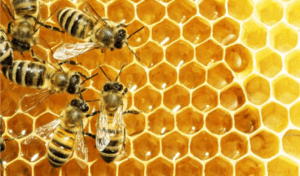 Royal Jelly and Bee Propolis – No – this is not about honey but both Royal jelly and bee propolis have been shown to reduce inflammation and naturally boost the body’s immune system. They may also aid in hormonal balance through endocrine system support.
Physical activity. Being physically inactive is a risk factor for us all and a common issue for many of us. We all know it has been linked to cardiovascular disease but it also contributes to insulin resistance, increased ageing, our mental health and so much more. Use your app to track your physical activity and then consider making it more challenging by adding more resistance, increase exercise regularity, opt for heavier weights, or try some new activities such as yoga, dancing or hula hooping!
 Justine Evans ND is a Hormone Alchemist and WiseWoman. With over 29 years in clinical practice Justine has a degree in nutritional therapy and a registered naturopath (ND). Passionate about hormone health she integrates a mind/body approach using traditional naturopathy, natural cycles and functional medicine. Clinical practices are in Twickenham, Stroud (Cotswolds) and online too!
Disclaimer: This article has been written as personal opinion and guidance only and should not be construed as medical advice. I am not a medical doctor.